
RESULTS
Before & After

Compared to the before photo, the after photo shows a more even-looking tone and a fresher overall appearance.
A rigorous skin assessment is required to ensure your skin is prepped and suitable for a deeper peeling agent.
The Consultation
1.
The skin is thoroughly cleansed before the potent acid solution is applied in precise layers and monitored closely.
The Treatment
2.
Prescribed aftercare routine is mandatory. Avoid sun exposure entirely, never pick at peeling skin.
Aftercare
3.
Expect significant redness, tightness, and visible, heavy skin shedding for 7 to 10 days post-treatment.
Recovery
4.
TheProcess
45mins
1.
The Consultation
A rigorous skin assessment is required to ensure your skin is prepped and suitable for a deeper peeling agent.
2.
Treatment
A rigorous skin assessment is required to ensure your skin is prepped and suitable for a deeper peeling agent.
15-20 mins
15-20 mins
3.
Aftercare
A rigorous skin assessment is required to ensure your skin is prepped and suitable for a deeper peeling agent.
15-20 mins
4.
Recovery
A rigorous skin assessment is required to ensure your skin is prepped and suitable for a deeper peeling agent.
TheProcess

Choosing the treatment that best suits your skin
A chemical peel uses controlled acids to exfoliate the outer layers of skin, accelerating cell renewal and revealing fresher, more even skin underneath. The strength and formulation matter — done correctly, it’s strategic resurfacing, not harsh stripping. In simple terms, it resets the surface so healthier skin can come through.
Why it’s effective:
• Improves uneven tone and pigmentation
• Refines texture
• Reduces congestion and breakouts
• Softens fine lines
• Brightens overall complexion

FAQ's
What Should I Do After Treatment?
Following our aftercare instructions carefully is essential. Protecting your skin from sun exposure, avoiding unnecessary irritation, and using recommended skincare products can support recovery and help maintain results.
Can Chemical Peels Help With Acne Scarring?
Certain peels can improve mild acne scarring by encouraging skin renewal and improving texture. A consultation is the best way to determine if a peel is the most appropriate treatment for your case.
Are Chemical Peels Good for Pigmentation?
Many people choose a chemical peel to address pigmentation caused by sun exposure, ageing, or previous breakouts. Each person’s results will depend on the type of pigmentation and their skin’s unique characteristics.
Will My Skin Peel Afterwards?
Visible peeling varies between treatments. A lighter peel may cause little or no flaking, while deeper treatments can lead to more noticeable shedding as old skin cells are replaced.
Why Should I Prepare My Skin Before Treatment?
Good results often begin before the treatment itself. Preparing the skin helps ensure it responds appropriately to exfoliation while reducing the likelihood of irritation. Depending on the peel selected, Nara Simone Medispa may recommend adjustments to your skincare routine before your appointment.
Benefits of Chemical Peel Treatments
Different clients have different reasons for getting treatment. Some are trying to improve off pigmentation left from sun exposure, whereas others hope to reduce the signs of ageing or make their skin texture more even. Among the main advantages are:
Improves Skin Tone – A chemical peel treatment can help reduce visible pigmentation and create a more even complexion.
Supports Acne Scar Improvement – Controlled exfoliation may help soften certain superficial acne scars over time.
Boosts Skin Radiance – Removing damaged surface cells leaves skin looking fresher and brighter.
Refines Texture – Treatment can help smooth rough patches and improve overall skin quality.
Reduces Signs of Ageing – Some peels help minimise the appearance of fine lines and early age-related changes.
What Concerns Can a Chemical Peel Address?
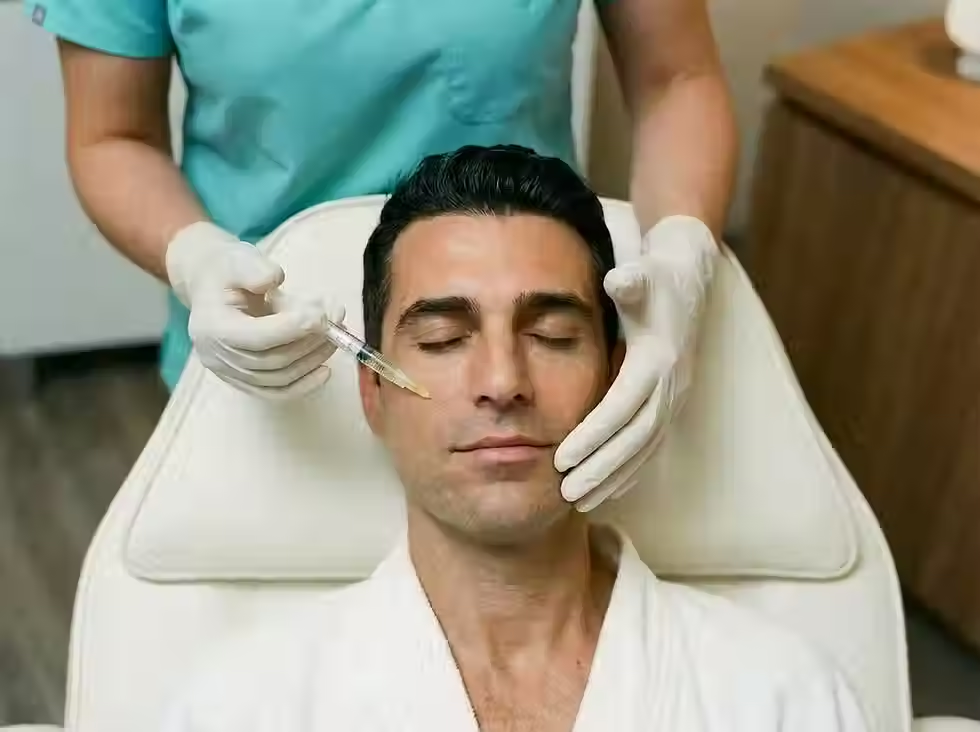
Few treatments offer the same level of versatility as a professionally applied chemical peel. A facial chemical peel, depending on the type and depth of the treatment, can improve pigmentation issues, acne-related discolouration, mild acne scarring, uneven skin texture, and developing wrinkles. Moreover, regular exfoliation can contribute to brighter skin by reducing the accumulation of damaged surface cells.
How Can Chemical Peels Improve Skin Quality?
As time goes on, dead skin cells naturally build up on the surface of the skin, causing it to become rough, blocking the pores and causing the skin tone to become uneven. A chemical peel makes use of a solution intended to exfoliate the outer layers of the skin. This then exposes the newer skin underneath, and helps to improve skin clarity, leading to a smoother texture, and gives the skin a more radiant appearance.
What Is a Chemical Peel and How Does It Work?
When you can’t shake that “tired” look, it might be your skin calling for help. If you have uneven pigmentation, acne scarring, or other visible signs of ageing, chemical peel therapy can refresh the skin by promoting controlled exfoliation and aiding the body’s natural cell renewal process. With different peel strengths available, the treatment can be adapted to address a variety of skin concerns. For more information on chemical peel treatments in London and Hampshire, contact Nara Simone Medispa. With over 20 years’ experience, our team offers individualised care in a peaceful and sophisticated space.
How Long Does the Treatment Take?
The full appointment takes around 45 minutes, including consultation, cleansing, and the peel application itself.
Is a Chemical Peel Suitable for All Skin Types?
A thorough skin assessment is carried out beforehand to confirm your skin is prepped and suitable for a deeper peeling agent.
When Will I See Results?
Skin appears brighter and more even as the shedding settles, with the fullest results visible once the healing process is complete.
What Does Recovery Look Like? Understanding Peel Strength.
Expect noticeable redness, tightness, and visible skin shedding for around 7 to 10 days, following the aftercare routine closely is essential during this time. It’s important to understand peel strength before you get started. A lighter chemical peel may result in only slight visible peeling and cause only minor interruptions to everyday activities, whereas a more intense chemical peel may require a longer recovery period. In some cases, clients may also be appropriate candidates for an advanced chemical peel if there is a need for deeper correction of pigmentation or textural issues.
How Many Treatment Sessions Will I Need?
This depends on your skin concerns, a treatment plan is discussed at consultation, with some concerns benefiting from a course of peels over time. Some clients notice improvement after a single session, while others benefit from a planned course of treatment. The number of appointments depends on your skin concerns, goals, and the strength of the peel being used.
Is the Treatment Painful?
You may feel some stinging or warmth as the solution is applied, this is closely monitored throughout to keep it within a safe, tolerable range.




FAQ'S
Following our aftercare instructions carefully is essential. Protecting your skin from sun exposure, avoiding unnecessary irritation, and using recommended skincare products can support recovery and help maintain results.
Following our aftercare instructions carefully is essential. Protecting your skin from sun exposure, avoiding unnecessary irritation, and using recommended skincare products can support recovery and help maintain results.
Following our aftercare instructions carefully is essential. Protecting your skin from sun exposure, avoiding unnecessary irritation, and using recommended skincare products can support recovery and help maintain results.
Following our aftercare instructions carefully is essential. Protecting your skin from sun exposure, avoiding unnecessary irritation, and using recommended skincare products can support recovery and help maintain results.
Following our aftercare instructions carefully is essential. Protecting your skin from sun exposure, avoiding unnecessary irritation, and using recommended skincare products can support recovery and help maintain results.
Following our aftercare instructions carefully is essential. Protecting your skin from sun exposure, avoiding unnecessary irritation, and using recommended skincare products can support recovery and help maintain results.